
A travel vlogger’s guide to finding the perfect music
The right music can transform your travel footage from simple documentation into an immersive story, complete with cinematic overtones. Choosing the perfect soundtrack is therefore crucial. So grab your backpack and lace up your hiking boots as we set off on an audio journey to discover the perfect soundtrack for your travels.
Why music plays a vital role in travel videos
At its core, travel vlogging is about making viewers feel the sights, sounds, and energy of each place you visit. Music plays a powerful role in shaping the emotional connection of a place and its people. A high-energy track can turn a city montage into an adrenaline-fuelled excitement fest, while a soft ambient piece can make a sunrise over the mountains feel reflective and epically cinematic.
Beyond emotion, music helps to dictate pacing and retention. Well-chosen tracks keep viewers engaged during transitions, B-roll sequences, and time lapses. Over time, if you maintain a consistency to your musical choices it can help shape your channels identity, helping your audience instantly recognise your style.
Matching music to destination

Every destination has its own distinct atmosphere and vibe. The best travel vlogs will try to encapsulate this in the soundtrack. Syncing your music carefully with your edits can make your video feel professional and engaging.
Tempo
Start by considering the tempo of your music. Tracks with a faster BPM (beats per minute) work well for action sequences, like walking through a bustling street, riding a motorbike, or hiking along a trail. Slower, ambient tracks are better suited for more reflective scenes, such as scenic landscapes or epic drone footage. Matching the visual rhythms to the beat of your music instantly makes your videos feel more cohesive.
Track structure
Next, pay attention to the structure of your musical accompaniment. Most songs have a natural progression with sections such as an intro, a build, a climax, and an outro. Using song structure effectively can really help to guide your storytelling. For example, start your video with the intro during establishing shots, build energy alongside sequences of activity, and place your most breath-taking visuals or drone shots at the musical climax. There are different approaches to aligning musical structure to your video’s narrative arc. You may want the music track to dictate the video pacing and edits. Or maybe you would rather edit the music to fit with the onscreen action. It helps to source tracks that roughly conform to your video’s storytelling, as this makes the process of aligning structure easier and feels more natural.
Incorporating local music styles and traditions
Incorporating regional instruments, genres, or musical styles can instantly give your travel footage a sense of place. For example, a gentle sitar or tabla rhythm can evoke the streets of India, while a lively samba percussion track can enhance scenes in Rio de Janeiro. Using local scales or traditional instrumentation subtly adds authenticity. Just be careful not to lean too heavily on obvious clichés, as it can feel stereotypical or gimmicky. The goal is to complement the destination and mood, not reduce it to a predictable trope.

Transitions
Transitions are another critical element used to shape high-quality content. Smoothly blending scenes that correspond to musical cues, such as a beat drop, a change in melody, or a rhythm shift, can make scene changes feel seamless rather than forced or jarring. Even small edits, like cutting on the downbeat or aligning a zoom with a percussion hit, create a subconscious rhythm that keeps viewers engaged.
And for big reveals, there’s nothing quite like a climactic musical drop to really elevate the drama and emotion. Timed well, it can make the reveal of a famous landmark or sweeping landscape feel truly epic.
Keep it varied
Don’t forget about variety and contrast. Switching between tracks with different energy levels or switching to ambient sounds during slower sections can give your audience a sense that they are taking a journey with you. For instance, a high-energy track could accompany city exploration, then transition to a soft, atmospheric track as you capture a quiet sunset or slow the footage right down. This keeps your video from feeling monotonous and predictable while maintaining an emotional flow.
Consistency
Finally, consider musical repetition and thematic consistency. Using recurring melody or instrumentation motifs can be effective in tying different segments of your vlog together. It helps to create a sense of cohesion across multiple scenes or episodes. Stick at it, and it can help establish your channel as a brand that viewers recognise not just visually, but sonically.
Don’t let music overpower the story
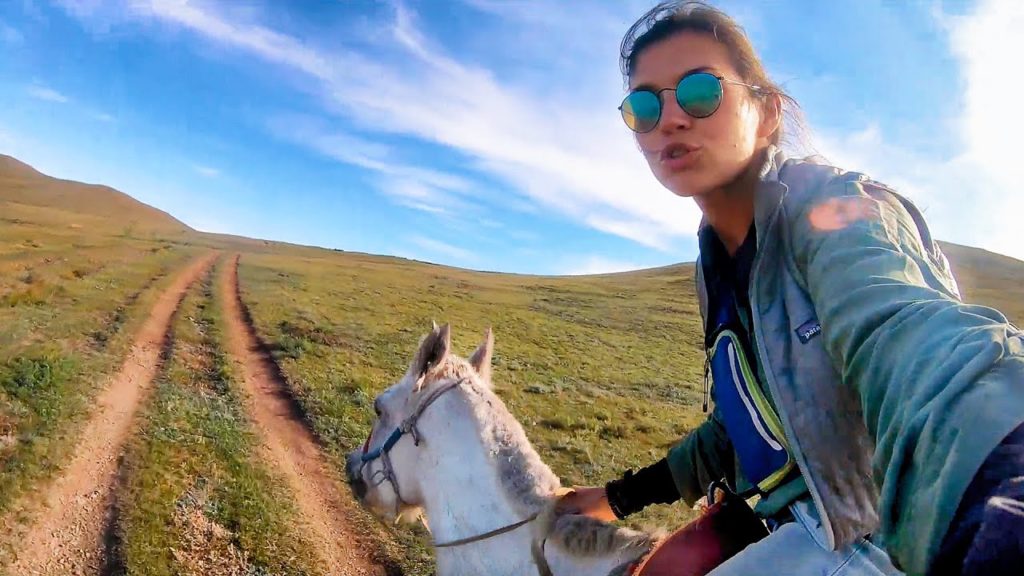
While music is important, it should enhance your narrative rather than dominate it. Travel vlogging tends to feature a substantial amount of dialogue, natural ambience, and authentic environmental sounds. These all help to bring scenes to life, so you don’t want overbearing music to distract from this.
Balance your levels carefully so music sits underneath your voiceover or on-camera speech. You will find that certain moments, such as street performances, crashing waves, or wildlife encounters, do not benefit from adding music. In these instances, letting natural sound take centre stage can feel more immersive than any soundtrack.
The key thing to remember is music works best when it supports the story rather than being in competition with it.
Sourcing your travel music
For travel vloggers publishing regularly, having access to a wealth of music and sound effects is vital in order to streamline the workflow. Whether you need cinematic scores, relaxed acoustic tracks, or subtle transition effects, finding the perfect audio is crucial. And as well as having to fit the mood and vibe of the video, it’s also got to be copyright compliant.
Using commercially released music in travel vlogs can quickly lead to copyright claims, demonetisation, or blocked videos. Automated detection systems identify copyrighted audio quickly, and crediting the artist does not grant permission.
Royalty-free music libraries are a popular choice and offer a far more reliable and convenient solution. With a subscription model, creators can access extensive catalogues of production music and sound effects for use across various platforms without worrying about ongoing royalties. This gives you creative flexibility while protecting your channel and monetisation.
At RouteNote Licensing, we make finding the perfect travel soundtrack simple with our affordable royalty-free subscription packages. Get unlimited access to o.ur extensive music library for just $4.99 per month, and enjoy unlimited sound effects for only $3.99 per month. We’ve even put together a short video showcasing 4 cool hacks to take your travel vlogs and videos to the next level. Click on this link to check it out.
Download this track and thousands more with unlimited access to our music library for just $4.99. Sign up to RouteNote Licensing today and create without limits.