
Starting a YouTube channel: 5 things you need to know
It can feel like everyone and their dog (quite literally) has a YouTube channel these days. Launched in 2005 it has steadily grown to become the cornerstone of modern entertainment. Unlike traditional legacy media it gives anyone the opportunity to share their voice with the world. Today, YouTube is home to millions of creators, with an estimated 60–65 million active channels regularly uploading content as of 2026.
So, if you’ve always felt an urge to join the masses and become a YouTuber, here are five essential things you should know before posting your first video.
1. Your niche matters more than your equipment
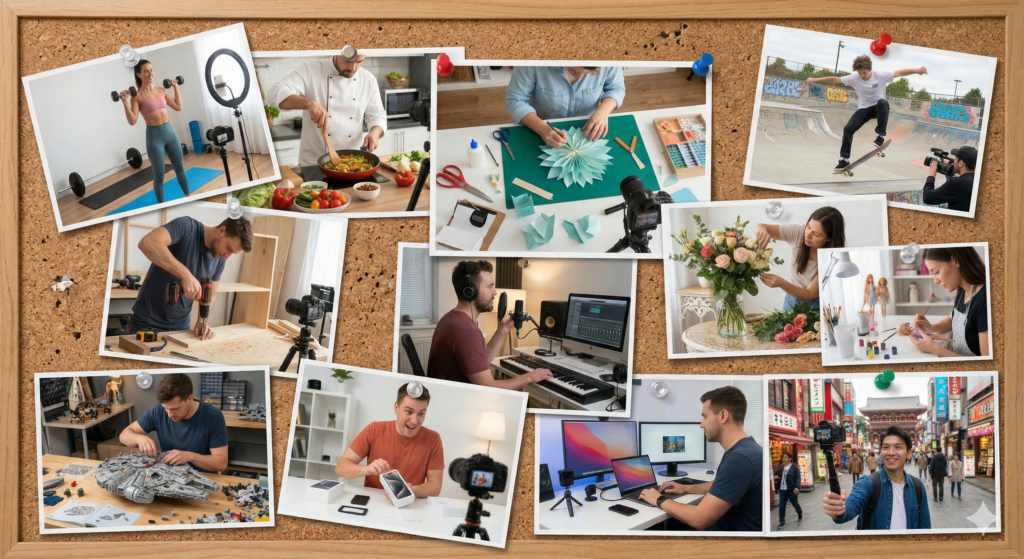
Let’s start with some good news: you don’t need expensive gear, a professional studio, or advanced editing software to start a YouTube channel. Many successful creators began with nothing more than a smartphone and an idea. What really makes the difference early on isn’t production value, it’s clarity of purpose.
The most important decision you’ll need to make is choosing your niche. A focused niche helps YouTube understand who to show your content to, and it helps viewers know exactly what to expect when they land on your channel. Whether it’s gaming, product reviews, fitness, education, or even something as specific as trainspotting, the key is to pick a topic you can consistently create great content around.
From there, think about how you can make that niche your own. This is where your personality and presentation style come in. Your “secondary niche” is the way you deliver your content, be that focused on tutorials, commentary, storytelling, or humour. When you’re genuinely interested in what you’re creating, that enthusiasm comes across naturally and helps build a connection with your audience.
It’s also important not to fall into the trap of copying established creators. While it’s smart to study what makes their content engaging, trying to replicate their style rarely works. Viewers respond to authenticity, and your personality is unique to you and hence something no one else can replicate. In many ways, that’s going to be your real competitive advantage. So think of your niche as not just the subject you cover but also how you present it.
2. Consistency beats perfection

While producing the best quality content should be an aspiration, in the world of YouTube, the thing that really counts is consistency. Whether that’s two videos a week or one a month, the key is to set a realistic schedule based on the time you actually have available. Evaluating how much time and effort you can dedicate helps you stay consistent without burning out.
One of the best strategies is to prepare videos in advance. Doing so gives you content ready to go when you launch, but most importantly, helps you understand how long filming, editing, and publishing each video will take. Starting a YouTube channel can be a significant time commitment, and mapping out your workflow from the outset makes the process much smoother and less likely to fail.
Creating a detailed content schedule is essential. Include not only publishing dates but also blocks of time for brainstorming, filming, editing, posting and promotion. Having a running list of video ideas can be a lifesaver as constantly generating new ideas on the spot can be exhausting as well as overwhelming. Keep a pool of potential titles and concepts to dip into whenever the well is dry.
To assist with this process, there are digital tools to help manage your workflow. Platforms like Asana and Trello make it easier to track tasks, deadlines, and content pipelines, ensuring you stay on top of your schedule without feeling overwhelmed.
Considering how you will be able to offer a level of consistency, combined with planning and preparation, will help your channel grow far more reliably than chasing perfection on every single video.
3. Understand and appreciate the way YouTube works
If you’re thinking about starting a YouTube channel, it’s important to understand that great content alone isn’t enough to grow. Even if you produce the most original or entertaining videos they can go unnoticed if they aren’t optimised in a way that makes them discoverable. YouTube is designed to connect viewers with content they’re most likely to watch, using factors like search history, watch history, and engagement patterns to personalise recommendations for each individual.
As a creator, you’ll need to think like your audience. Ask yourself: what are they searching for? What makes them stop scrolling and click on a video? Understanding this is key to getting your content seen.
Some critical considerations for new creators include:
- Keywords and SEO: Use search-friendly titles, descriptions, and tags. Many content creators will think of good clickable titles first and then structure the video around the title, such is its power to influence search ranking.
- Thumbnails: Your thumbnail is your first impression so don’t underestimate them. You will have to dedicate time creating clear, visually appealing, and relevant thumbnails so viewers know exactly what to expect. For efficient thumbnail production its good to create a template or style format.
- Engagement signals: YouTube rewards videos that keep people watching. Your video’s will need to encourage viewers to watch to the end, comment, like, or share. All influencing actions that tell YouTube your content is valuable.
- Consistency and patience: You should appreciate that growth doesn’t happen overnight. Even with fully optimized videos, building an audience takes time. You must be prepared for this and not give up as this is often the case with new creators.
So, In short, starting a channel wont just be about creating videos. You will need to have a firm grasp of the mechanisms of discovery so people can find, click on, and engage with your content. By understanding this from the get go, you’ll give your videos a much better chance of being discovered and growing an audience.
4. Leverage your existing socials

When launching a new YouTube channel, one of your biggest priorities is getting eyes on your content. If you already have any kind of social media presence, the easiest place to start is by guiding your existing followers toward your channel. These people are already familiar with you, so they’re likely to be interested in what you’re creating on YouTube.
In the lead-up to your launch, start casually mentioning your upcoming channel in your posts. This helps build awareness and a sense of anticipation without feeling forced. Once your channel is live, share posts that invite your followers to check it out, and encourage them to like and subscribe.
That said, it’s important not to overdo it. Constant promotion can feel pushy and may even have the opposite effect, turning people away. Keep your messaging relaxed and natural. Remember, people are likely to respond to your personality and not a hard sell.
If your channel focuses on a specific niche, take it a step further by targeting that specific audience. Share your content with followers, communities, or groups that already have an interest in that topic. Relevance is key and getting your videos in front of the right people who are likely to watch a whole video, is far more valuable than simply reaching a large volume of people.
5. Keeping it clean: understanding and avoiding copyright issues

One thing new creators often overlook is how strict YouTube’s copyright rules are. The platform uses a highly advanced system called Content ID, which automatically scans uploads for copyrighted material, including both visuals and audio.
If you’re planning to use third-party footage, make sure you only use footage where you have the correct permissions or licenses in place. Stock footage libraries can be a great solution but it’s essential to check the terms of use carefully to avoid issues later.
Music is another main key consideration. It plays a huge role in setting tone, emotion, and overall production quality, but using unlicensed music can quickly lead to copyright claims, muted audio, or even blocked videos. While YouTube does provide its own free audio library, its license is limited to content published on the platform.
For more flexibility, many creators turn to royalty-free music from production libraries. Services like RouteNote Licensing offer subscription-based access to a large catalogue of music and sound effects, making it easy and cost-effective to source high-quality audio for your content. At just $4.99 for unlimited music use, it’s an affordable and convenient way to stay compliant while massively enhancing your videos.
Taking the time to plan your audio and visual assets before you launch can save you a lot of trouble down the line. Using properly licensed content ensures your videos remain live and free from disruption.
Stop risking your channel’s revenue and momentum on a flawed system.
RouteNote Licensing guarantees that the music you license is protected from Content ID claims, allowing you to focus on what you do best: creating great content.
Click Here to Start Your Claim-Safe Journey Today!