
Audio Samples and How They Can Demonetise Your Content
Introduction – The Hidden Threat in Your Music
If you’re a content creator, the last thing you want is for your video to be demonetised, or worse, hit with a copyright strike. You work hard to stay within your platform’s rules, so it feels unfair when something seemingly innocent trips a Content ID system.
But there’s one hidden danger that often catches creators off guard: sample loops. These short, often looped, snippets of borrowed sound, buried inside the music you use, can trigger copyright claims without you even realising it.
Even when you think you’re safe, using a beat labelled “royalty-free” or “copyright-free,” hidden samples can still cause problems. In this post, we’ll look at how sample loops can sneak into your content, how Content ID systems detect them, and what you can do to protect yourself.
What Defines a Sample Loop?
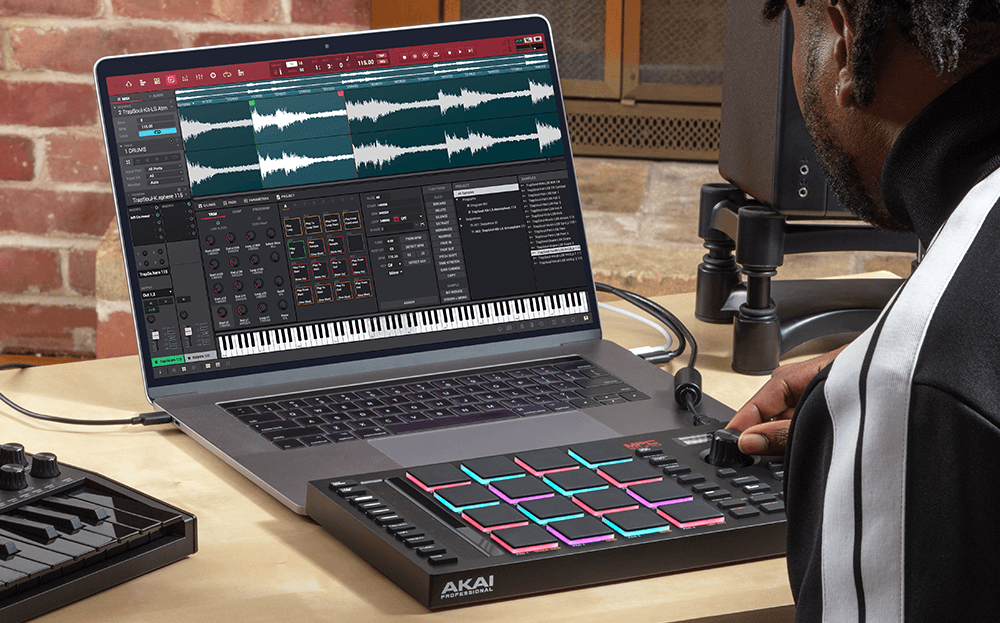
A sample is a section of a recording taken from another piece of audio and used by a producer in their own music as a compositional tool. It could be a drum hit, a guitar riff, a vocal phrase, or even a sound effect. A popular way to use samples is by looping them. As the name suggests, A loop is simply a sample that repeats seamlessly.
Sample loops are incredibly common in music production today. They save time, inspire creativity, and allow even amateur producers to make professional-sounding beats quickly. Entire genres, from hip-hop to lo-fi and EDM are built on the principle of looping and sampling.
The problem isn’t with loops themselves, but with where the samples they have looped come from. Many producers use pre-made loops from sample packs, kits or even uncleared old recordings. While legitimate sample packs, such as those sold on RouteNote Create, are licensed for use in creating new music, the licensing terms can vary, and often, the same loop ends up in multiple songs.
If a particular loop has already been registered in a Content ID database by another rights holder, your use of it, even as part of an entirely new track, might still trigger a match. And that’s when you and your content can come unstuck
Why “Royalty-Free” Doesn’t Always Equal Safe
Here’s where many creators get caught out. The term “royalty-free” doesn’t actually mean “copyright-free.” It simply means that you pay (or are granted) a licence to use the music without having to pay ongoing royalties. But the underlying sounds in that track, especially if it was built using third-party samples, could still have restrictions attached.
For example, a beatmaker might upload a free lo-fi instrumental for creators to use. It’s labelled as royalty-free, so you assume it’s safe. But what you don’t know is that the main melodic loop inside it came from a commercial sample pack that hundreds of other producers have also used. If one of those other producers releases a song that gets registered in YouTube’s Content ID system, your video could be flagged for using the same loop even though you didn’t use the same track.
This is how “royalty-free” can quickly turn into “a right royal headache.” The problem isn’t the intention. Most creators and producers mean well. It’s the overlapping ownership of the building blocks that make up modern digital music.
How Audio Recognition Systems Detect Samples

To understand why this happens, it helps to know how systems like YouTube’s Content ID or Facebook’s Rights Manager actually work.
These systems use something called audio fingerprinting. It works in the same way as the application Shazam works. Every registered song has a unique digital fingerprint created from its audio waveform. When you upload a video, the system scans your soundtrack and compares it against a massive database of known fingerprints.
If it finds even a short matching section of a melody, drum pattern, or chord progression, it can flag your video as containing copyrighted material. The match doesn’t care how that audio got there. It could be a full song, a remix, or just a loop used in both tracks. To the detection system, it’s a match.
Once a match is made, a few things can happen:
- The video’s monetisation may be redirected to the copyright owner.
- You might receive a copyright claim that limits or removes your ability to earn ad revenue.
- In more serious cases, a copyright strike could be issued, risking your channel’s standing.
Even if you used the track legally and in good faith, it can take time, not to mention a lot of frustration, to resolve.
The Impact of a Match on Creators

When a claim hits your content, the impact can feel immediate and stressful. Even if your video can stay up intact, any ad revenue will most likely be redirected to the claimant. Sometimes, your video may be blocked in certain countries, muted entirely, or even taken down.
Beyond the financial hit, copyright claims can affect your channel’s credibility and visibility. Repeated strikes can lead to suspension or termination, and disputing claims can take weeks. This is valuable time and effort that could be used to come up with new content.
Even when you know you’re in the right, it’s difficult to prove that a sample was used legally, especially if it’s buried inside a third-party track. That’s why prevention is always better than cure.
How to Protect Your Content
The best way to avoid sample based copyright headaches such as these is to be proactive and selective about the music you use. Here are a few steps every creator should follow:
- Use trusted, reputable music libraries. Choose services and libraries that clearly state where their music comes from and how it’s licensed.
- Avoid random “free beat” downloads. The chances are these tracks and the samples in them will have been used by multiple people and the copyright has already been claimed by someone else.
- Keep your receipts and licences. Always store proof of purchase or written permission. It’s your evidence if a claim ever arises.
- Understand your usage rights. Some licences only cover personal use or non-monetised content. Check the fine print before uploading. Make sure they will assist in releasing any copyright infringements should they arise.
- Consider commissioning custom music. Having original music that doesn’t contain samples, made for your channel, eliminates all sample-related risk.
The Ultimate Solution

While it’s easy to get caught out by hidden samples in copyright-free or “royalty-free” music, some platforms are working hard to make things safer for creators. RouteNote Licensing is one such example. Every track available through RouteNote’s royalty-free catalogue has been carefully moderated and reviewed to ensure it doesn’t contain any unauthorised samples, loops, or copyrighted material that could trigger a Content ID match.
This means that when you choose music from RouteNote Licensing, you’re not just getting professionally recorded royalty-free music; you’re also getting peace of mind. This extra layer of quality control can make all the difference, letting you focus on what matters most: creating great content without worrying about unexpected copyright issues.
Stop risking your channel’s revenue and momentum on a flawed system.
RouteNote Licensing guarantees that the music you license is protected from Content ID claims, allowing you to focus on what you do best: creating great content.
Click Here to Start Your Claim-Safe Journey Today!