
Make your content feel like a movie with cinematic music
The leap from the cinema screen to your phone might seem enormous, but that gap is largely a matter of perception. There’s no rule that says your content can’t feel just as epic as a Hollywood production. And the fastest way to unlock that movie-quality atmosphere? Cinematic music.
What is cinematic music?
Cinematic music is designed to support storytelling. The term cinematic music can cover a broad range of musical genres, styles and approaches as its key role is to match the moods of a wide variety of subject matter. That being the case, we often associate a cinematic musical score with orchestral instruments like strings, piano, brass, and percussion. These instruments are particularly effective in creating a rich emotive connection. One thing that does set cinematic music apart is its tendency to evolve, using tension, builds, and emotional peaks to mirror the flow of a story.
Unlike simple background music, cinematic music is designed to lead the listener emotionally. It helps shape how an audience feels during key moments, whether that’s excitement, suspense, sadness, or reflection.
Why cinematic music works so well in creator content
Music is one of the effective tools to guide emotion, and cinematic music takes that power to the next level. It can instantly raise the quality stakes of your content, making it feel more immersive and intentional. Even a simple visual or voiceover can feel more important and impactful when paired with the right cinematic track.
Cinematic music also helps to hold viewers’ attention. Steady builds and musical transitions keep viewers engaged, while strong endings leave more of an impression. Cinematic style music is therefore a great choice for trailers, short films, documentaries, brand videos, promo ads, games, and even short-form social content.
Choosing the right cinematic music
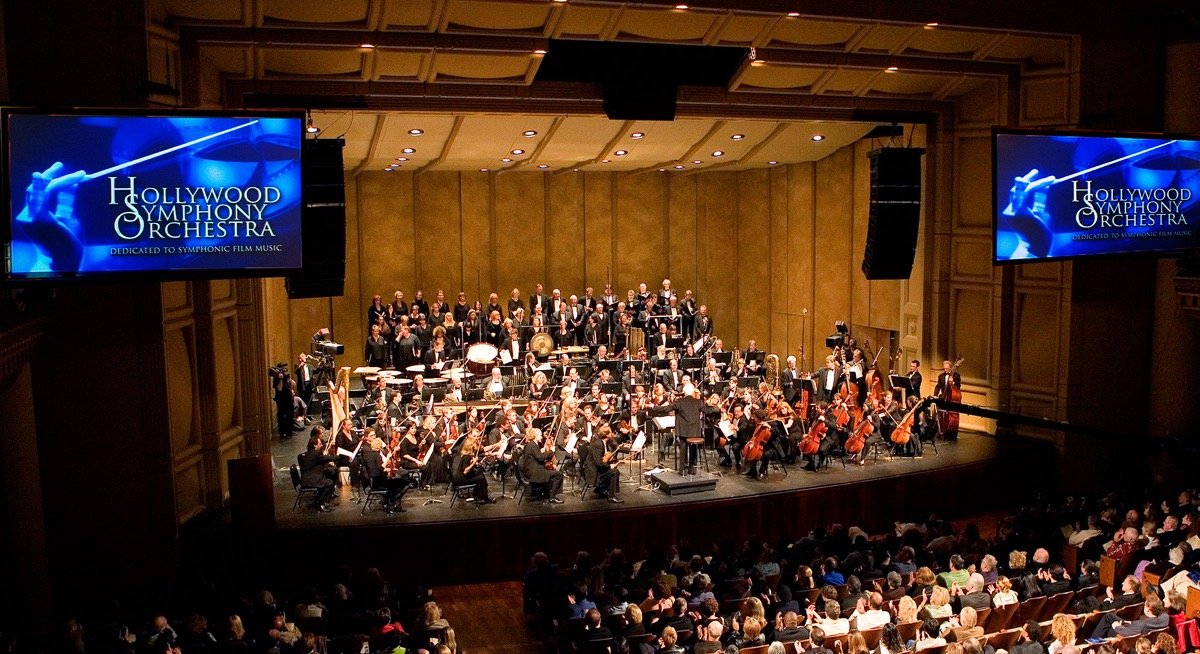
While cinematic music can be highly effective, it can also be quite tricky to get right. This is partly down to the ever-shifting dynamics that some cinematic music inherits. Getting the music arrangement to match the onscreen action can be hit-and-miss. This is why big-budget films have music specifically composed and played to the visuals. This should not put you off because with a little tweaking of the visuals and music*, you should be able to get them working perfectly together.
It’s all about getting the pacing right. Some tracks slowly build over time, making them ideal for long-form content, while others get to the point quickly and work well for short videos. Always make sure the music supports your visuals or dialogue rather than overpowering them. Cinematic doesn’t just mean loud.
The key to using cinematic music effectively is matching the emotion to your message. This is easier to do as most production music libraries offer filtering by mood. For example, an uplifting piano and string piece might be perfect for some inspirational content, while darker textures and low percussive elements can create tension or mystery. Matching the emotional tone is what really makes cinematic style music work so well.
* check out this video short to see how you can further edit and manipulate royalty free music using stem separation.
Using cinematic music for different types of content
One of the strengths of cinematic music is its versatility. It works across almost every content format. For example:
- Long-form video such as YouTube essays, documentaries, or drama films, benefit from evolving tracks that support narrative arcs.
- Short-form content like TikToks, Reels, and Shorts can use dramatic cinematic intros or moments to hook viewers quickly.
- Travel vlogs are the perfect vehicle for cinematic scores, especially extended montage sections.
- Ads and branded content gain emotional clarity and give your brand a sense of gravitas with cinematic scoring.
- Narrative Podcasts and audio storytelling use music as a tool to signal tone changes, transitions, suspense and key moments. It can effectively make otherwise flat content come to life.
- Games and interactive media rely on cinematic music to build atmosphere and immersion.
Sourcing your perfect cinematic score
If you’re a content creator with a busy release schedule on a limited budget, you’re probably not in a position to hire a wannabe Hans Zimmer or John Williams. Luckily, there is a world of easy-to-access royalty-free music available for creators in your position. And by using search filters effectively, you should be able to find the perfect match
With the unlimited access a subscription-based platform affords, you’re able to experiment freely, test different moods, and refine your creative style without worrying about the mounting cost. This flexibility is especially valuable for creators producing content regularly. And because the music is royalty-free, it can be used across various platforms without the fear of a copyright claim.
Here at RouteNote Licensing, we have a huge wealth of cinematic offerings, covering every genre, mood and instrument. And all this for less than an adult ticket at the local multiplex.

Stop risking your channel’s revenue and momentum on a flawed system.
RouteNote Licensing guarantees that the music you license is protected from Content ID claims, allowing you to focus on what you do best: creating great content.
Click Here to Start Your Claim-Safe Journey Today!