
Want to be a YouTuber? How to find your niche
Ask almost any 10-year-old what they want to be when they grow up and there’s a high chance they’ll say “a YouTuber”. Such is the power and cultural influence of YouTube today. Where movie stars and TV celebrities once dominated popular culture, YouTube creators now command huge audiences and loyal fanbases.
But how do you go about building a channel and establishing a presence on this digital media powerhouse? Before you hit record, there are a few important things to consider. First, you need to identify your strengths, what you have to offer as a creator, and which area and niche you want to specialise in.
In this post, we aim to set you on the right path offering some practical advice, realistic expectations, and a touch of inspiration.
What is your objective?
The first thing you’ll want to establish is your objective. Ask yourself: Why do I want to start a YouTube channel? Is it purely for fun, or are your ambitions slightly loftier? Do you want to build a brand, generate income, or even turn content creation into a career?
Perhaps you have a burning desire to share knowledge, teach a skill, or showcase something you’re passionate about. Or maybe you simply want a platform to express your personality, creativity, or opinions and connect with like-minded people.
These are the kinds of questions you should ask before even signing up for a channel. Having a clear objective is essential to planning your content, staying motivated, and ultimately realising your ambitions. Without direction, it’s easy to lose momentum or feel discouraged early on.
What is a niche and do you need to have one?

According to the Collins Dictionary, a niche in the market is a specific area of marketing that has its own particular requirements, customers, and products. Niche marketing is the practice of dividing a broader market into specialised segments, each catering to a more targeted audience.
In YouTube terms, a niche usually refers to a clearly defined subject area. This could be something like cake decoration, vintage car restoration, or learning a specific musical instrument. A niche tends to be more focused than a broad category. For example, “DIY” might be the overall area, while your niche could be flooring, tiling, or home renovation on a budget.
So, do you need to find and focus on a single niche? The short answer is no. You could cover a wide range of subjects, explore multiple niches, or even create content that doesn’t neatly fit into any category. Some creators build successful channels based almost entirely on personality-driven content. In that case, you effectively become the niche.
That said, having a well-defined niche can help give your channel clarity, focus, and direction. It also makes it easier to understand and relate to your audience, as you’ll share a common interest. From an algorithm and discoverability standpoint, niches can also help YouTube better understand who your content is for.
What do you have to offer – Finding your niche
Once you’ve established your objectives and motivations, it’s time for the most important question: What am I going to specialise in? YouTube is a vast, sprawling ecosystem with almost every topic imaginable already covered. From instructional tutorials and educational content to entertainment-led videos and serious subjects like politics, science, or current affairs.
Finding an area that hasn’t been touched at all is unlikely, no matter how niche the subject. But don’t let that discourage you. The reality is that you bring something unique to the table. Your personality, perspective, tone, and delivery can all set you apart. YouTube thrives on individuality, and audiences connect with people just as much as topics.
Think carefully about your talents, skills, interests, and curiosities. You don’t need to be the world’s leading expert to create valuable content. You simply need to be genuinely interested and inspired by the subject. You could even approach a niche as a beginner, documenting your learning journey and building knowledge alongside your audience.
Enthusiasm is key. If you care about what you’re creating, it will come through in your videos, and that authenticity is what helps viewers connect with you and keep coming back for more.
Researching your niche – YouTube competition
Chances are, if you’re interested in a niche subject, you’re already aware of other YouTubers creating content in that space. Still, it’s worth taking a deep dive into your chosen niche before committing. Watch videos, analyse channels, and get a feel for what already exists.
The goal here isn’t to copy anyone’s content, but to understand what works and what doesn’t. Pay attention to video formats, thumbnails, titles, pacing, and presentation. You may even spot gaps where certain questions aren’t being answered or topics aren’t being explored in depth. These gaps represent opportunities where you can add real value.
Another great tip is to read through the comments sections on similar channels. This is your future audience talking. Viewers often express what they like, what they’re confused about, or what they want to see next. This feedback can be incredibly valuable when planning your own content.
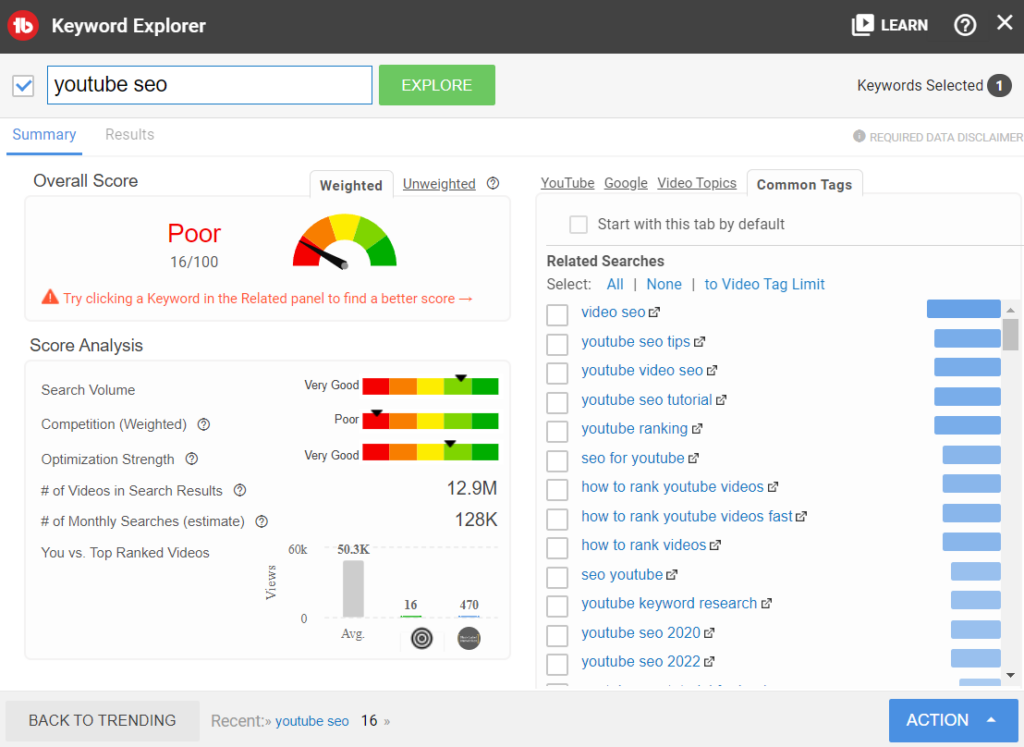
If you want to go even deeper, you can use add-on tools such as TubeBuddy to analyse channels within your niche. These tools provide insights into SEO scores, search rankings, tags, and performance data, helping you make more informed decisions about your strategy.
Growing your niche channel
Once you’ve planned and researched your niche, there’s only one thing left to do: start publishing. You need to press the button and start putting out content. Don’t wait for perfection. Your early videos don’t need to be slick or highly polished. In fact, if you look back at the first uploads from well-established YouTubers, you’ll often find they’re a far cry from their current content.
In the beginning, YouTube can feel like a lonely place. With only a handful of subscribers and minimal engagement, progress may seem slow. Starting from scratch can be daunting, but consistency is key. Stick to a regular upload schedule and give your channel time to grow.
Engagement is just as important as uploads. Reply to comments, acknowledge feedback, and nurture a sense of community. Successful YouTubers don’t just build audiences, they build relationships. A casual call to action encouraging viewers to subscribe or enable notifications can help, but avoid being overly pushy, as this can alienate viewers.
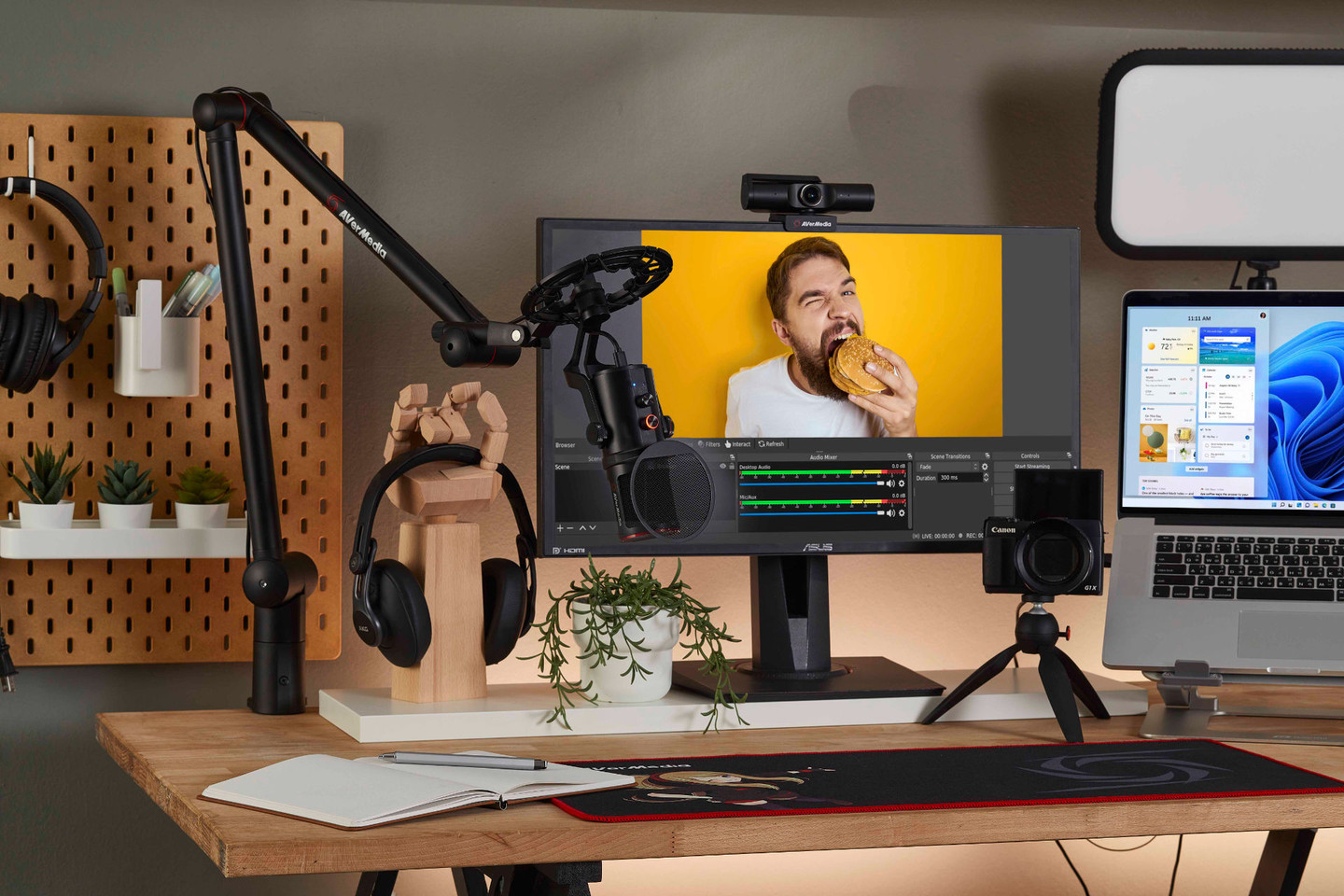
As your channel develops, you’ll soon find your voice as a creator. Your confidence will grow, and your production skills will improve naturally over time. Stay objective and critical about your content and look for ways to improve quality. This might mean upgrading lighting, cameras, or microphones as your channel grows. Check out this post for some suggestions on good equipment upgrades for content creators.
Collaborating with other creators in your niche is another effective way to grow. Reaching out to channels with similar audience sizes for collaborations or shout-outs can help both parties expand their reach organically.
Finally, one of the easiest ways to elevate your content is by using high-quality licensed music. Subscription services like RouteNote Licensing provide access to thousands of professional tracks without the headache of copyright issues. That means you can focus on what really matters: creating great content, supported by great music.
Stop risking your channel’s revenue and momentum on a flawed system.
RouteNote Licensing guarantees that the music you license is protected from Content ID claims, allowing you to focus on what you do best: creating great content.
Click Here to Start Your Claim-Safe Journey Today!